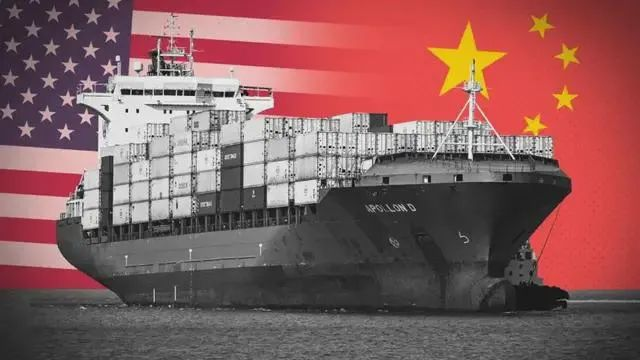
The U.S. extended 178 product exclusions from China tariffs to August 31, 2025, while launching a new 301 investigation targeting China’s maritime and logistics sectors. Beijing condemns the moves as "protectionist" and WTO-violating.
A U.S. federal court halted Trump’s April 2 tariff order, ruling it unconstitutional. The administration must suspend collections within 10 days, but an appeal is underway. Businesses brace for uncertainty as the White House vows to fight.
Europe’s ports face 5–6 day delays, with Bremen hardest hit. Maersk’s AE5 route now skips Bremen for Nordic terminals—a red flag for importers. Flexport warns congestion may spread.
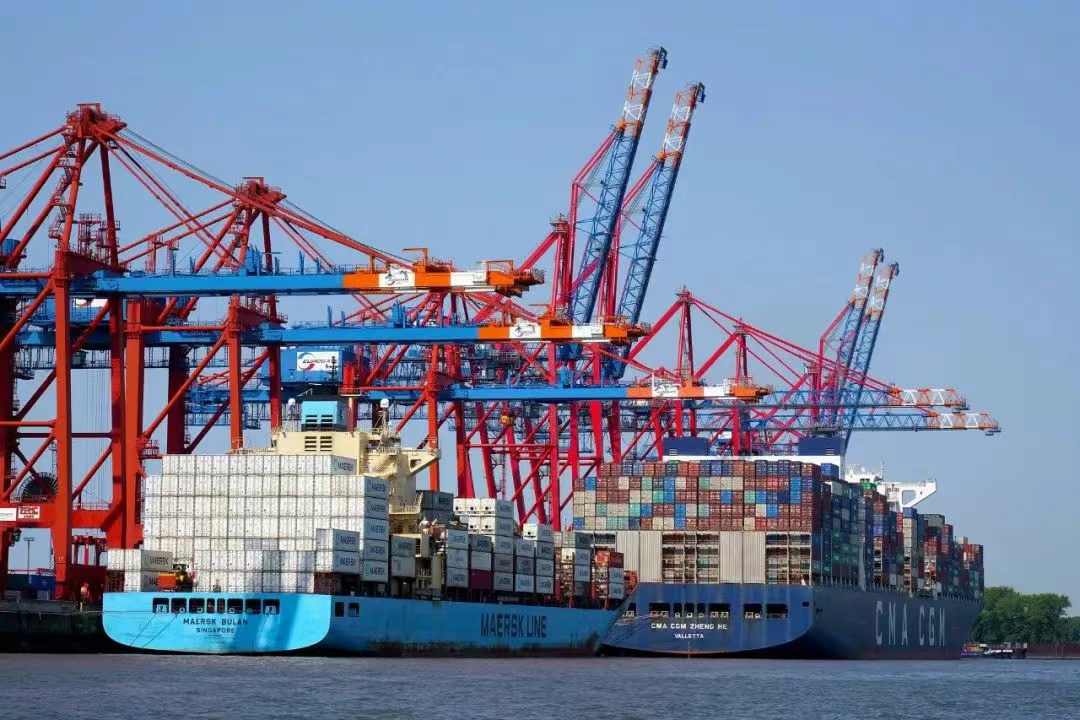
Leading carriers including MSC, CMA CGM, Hapag-Lloyd, and Maersk have issued June FAK rate increases and PSS surcharges across key routes (Europe, Africa, South America). This breakdown covers all critical adjustments and effective dates.
Even "cleared" shipments can face surprise customs inspections. This guide reveals the logic behind post-clearance checks and provides 5 actionable strategies to lower your risk, from optimizing product descriptions to leveraging pre-declaration services.
Document compliance means all export documents must strictly match the letter of credit (L/C) requirements. This guide explains its importance, key principles, and practical steps to avoid discrepancies that could lead to payment rejection.
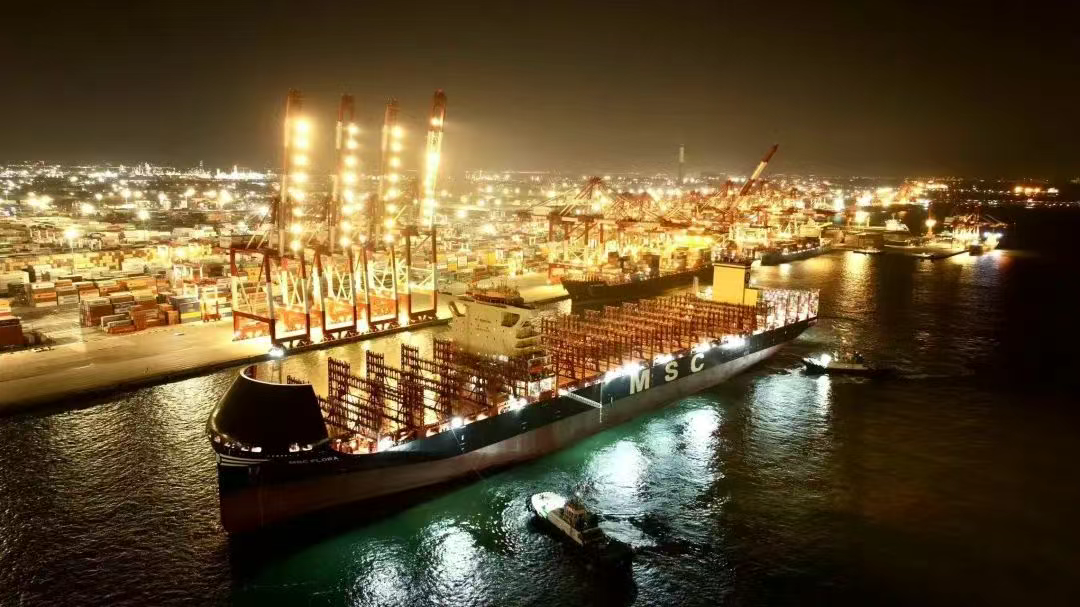
MSC’s new standalone Middle East CLAN route debuted at Qingdao Port, deploying 8 vessels to link East Asia with key hubs like Jebel Ali, Dammam, and Colombo. The service aims to capitalize on booming trade demand while cutting logistics costs for regional shippers.
Nine carriers—including ZIM, ONE, HMM, and newcomers like KMTC—are scrambling to add new routes, revived services, and extra loaders on the U.S. trade lane after tariff cuts triggered a cargo surge. Key upgrades target West Coast ports like L.A. and Long Beach.
Container shipping rates on U.S. routes soared by up to 31% in a week, driven by urgent demand as importers rush to beat the 90-day tariff suspension window. Analysts warn of prolonged hikes due to capacity shortages, while Europe-Asia trade remains sluggish.